See our work
We partner with leading enterprise brands to drive growth, enhance performance, and deliver digital transformation.
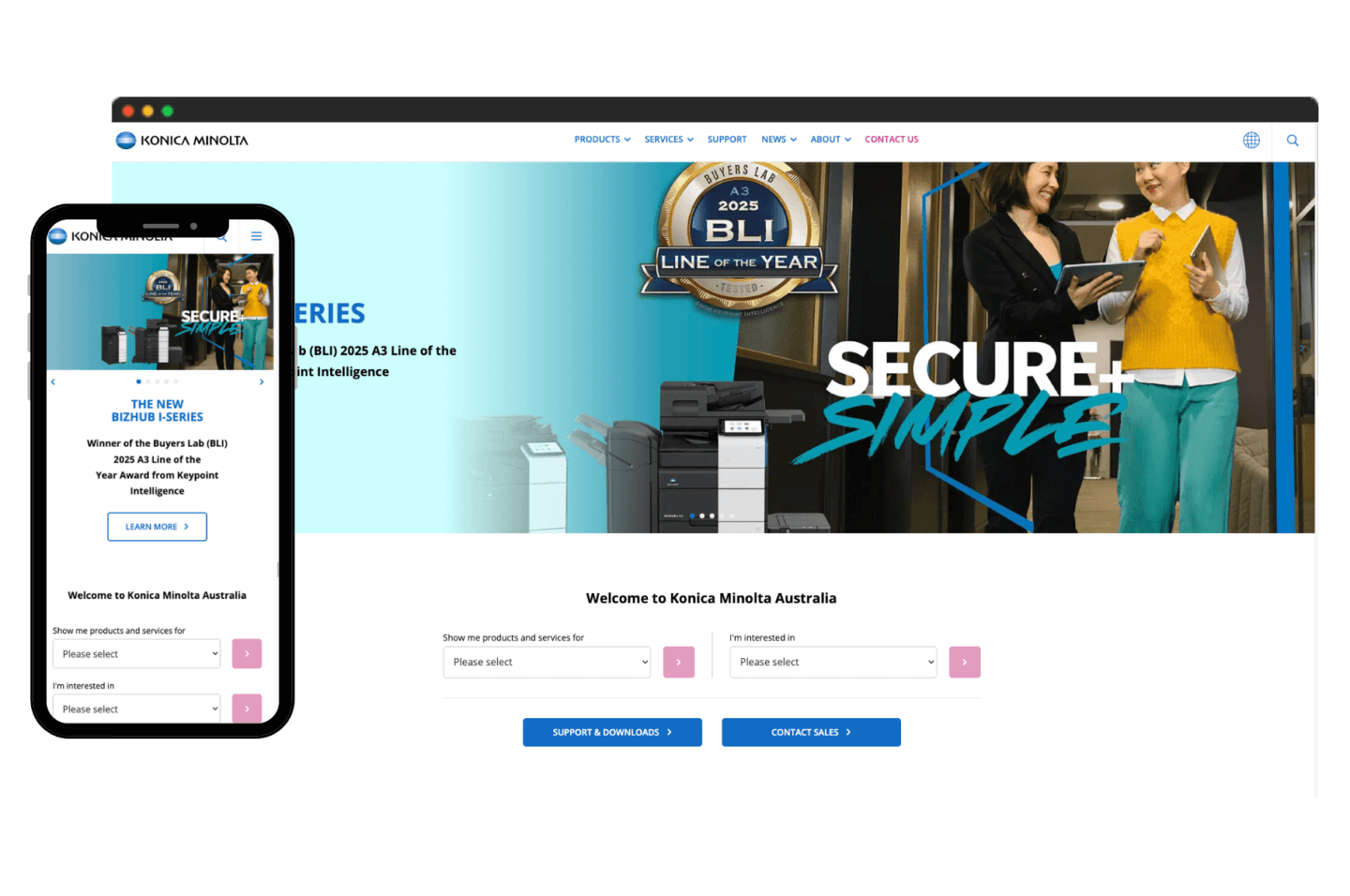

Discover how The Code Company helped Konica Minolta Australia seamlessly migrate from Kentico to WordPress resulting in a faster, more stable website with zero outages.
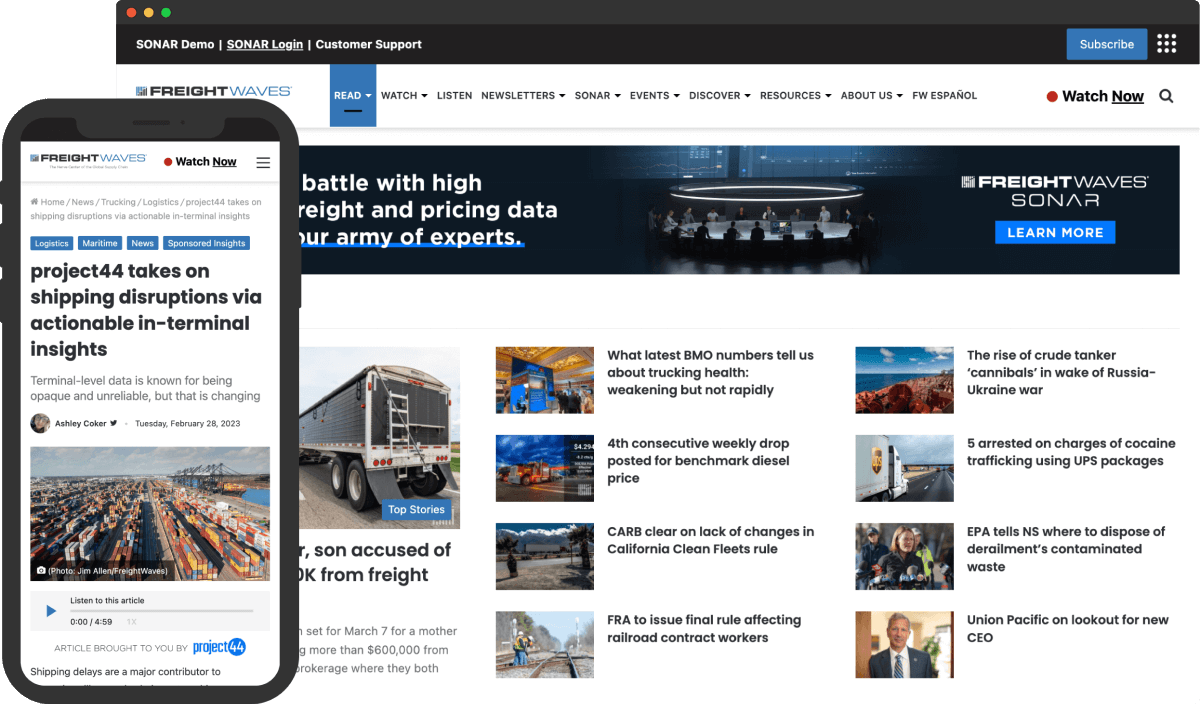

Discover how the leading supply chain publisher increased pageviews by 35% and new users by 26% with a new WordPress-powered tech stack
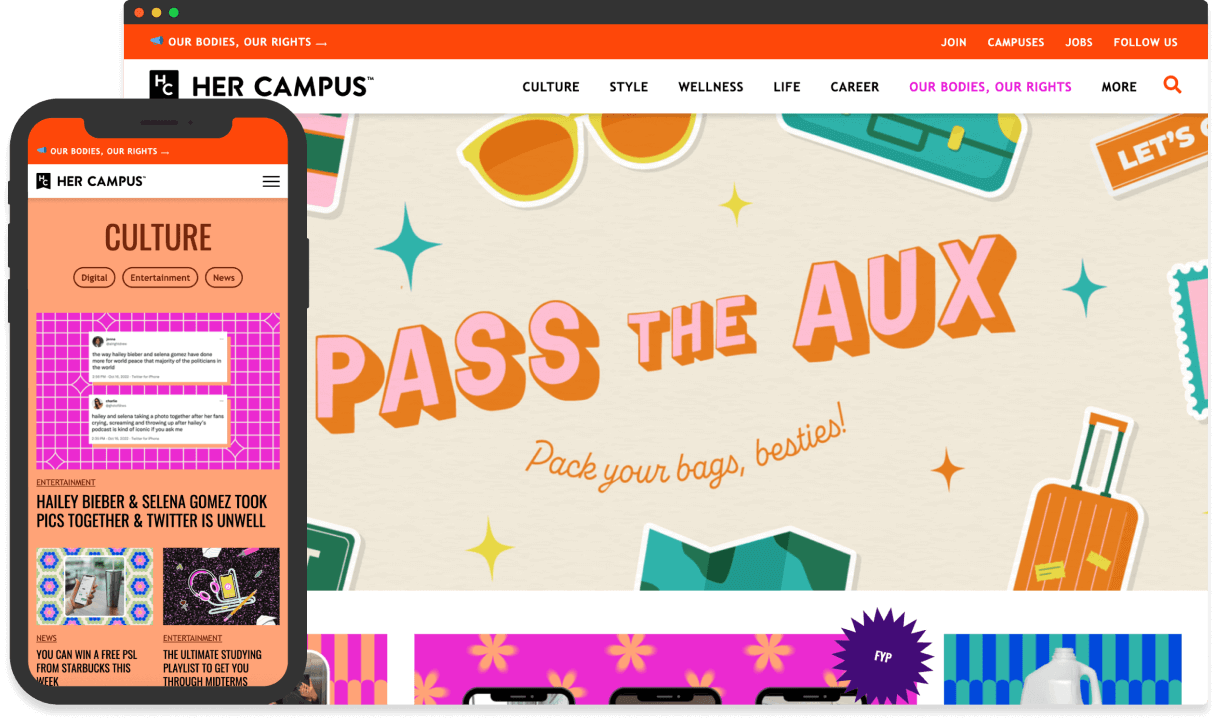

Discover how we migrated 11 years of content and created a powerful new WordPress publishing platform for America’s leading title for college women.
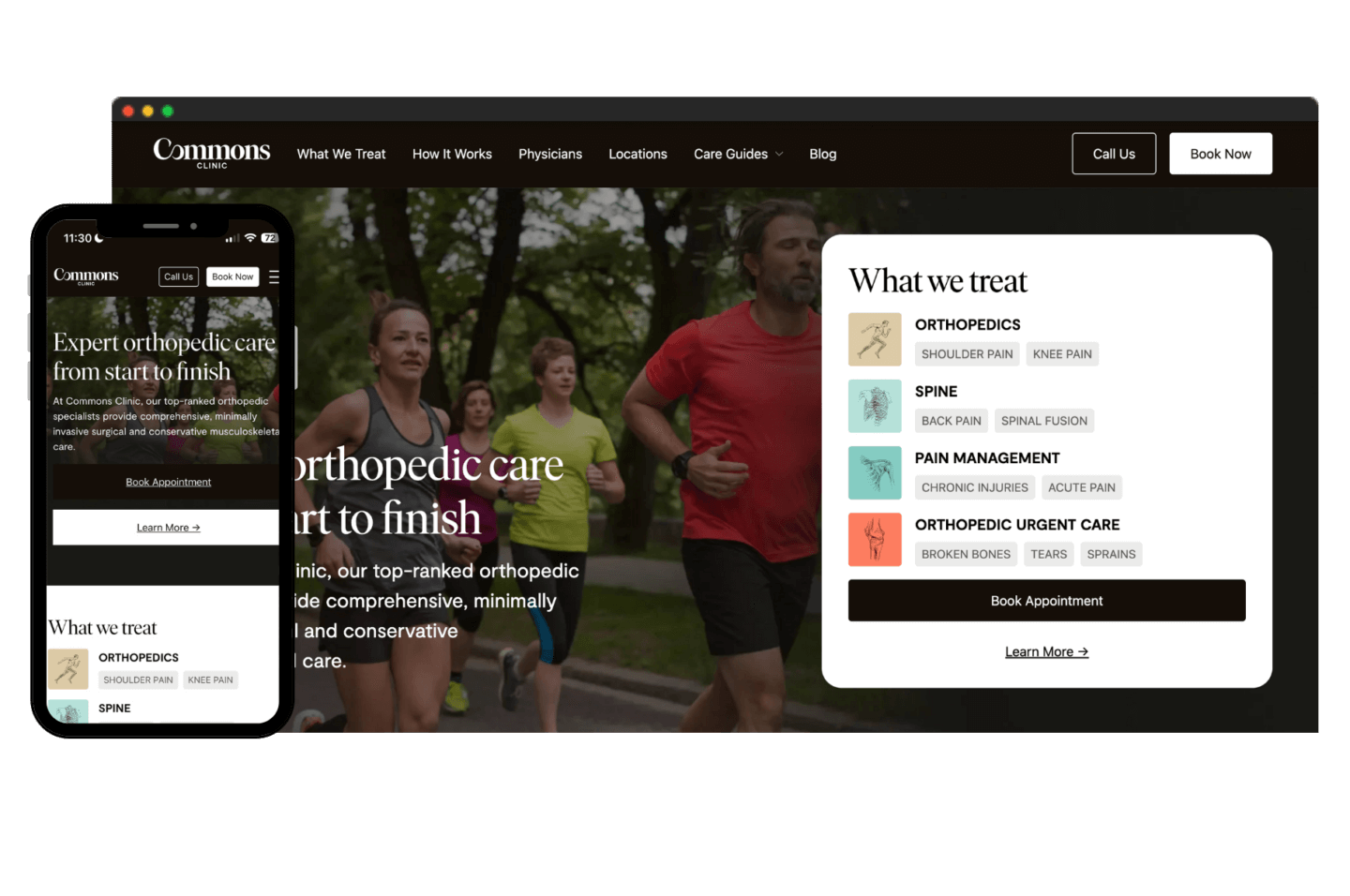

How healthcare start-up Commons Clinic launched a marketing-driven website to accelerate client engagement and acquisition
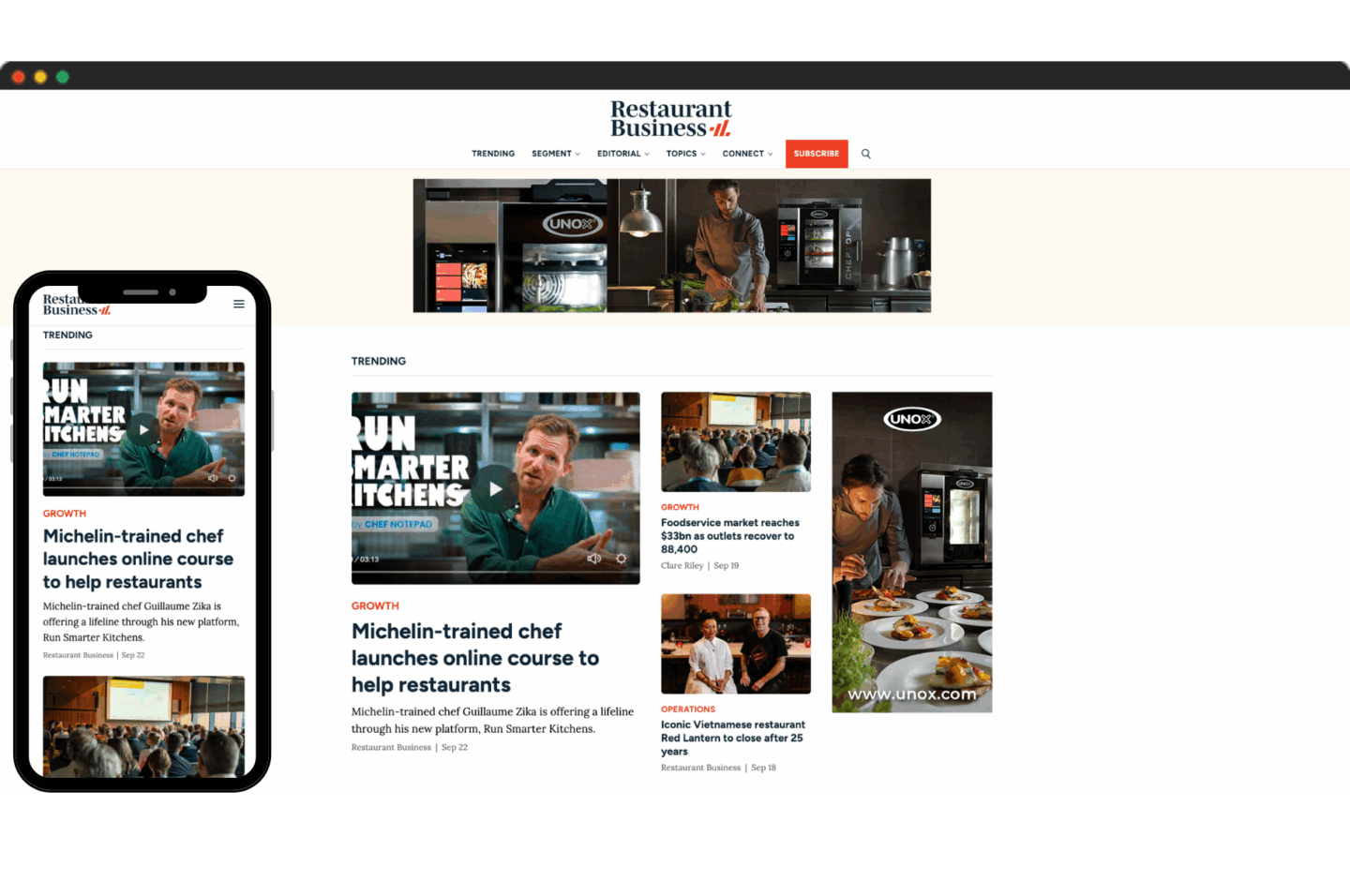

Read how Restaurant Business launched their market-ready media platform with WordPress full-site editor quickly and cost-effectively.
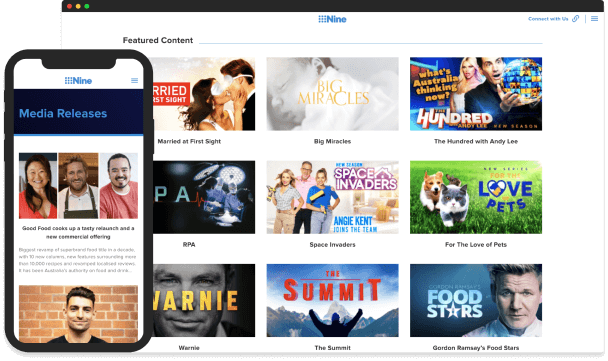

After the historic merger with Fairfax Media, and facing an ambitious timeline before the annual upfronts, Nine Entertainment needed a new corporate website to reflect a unified message.
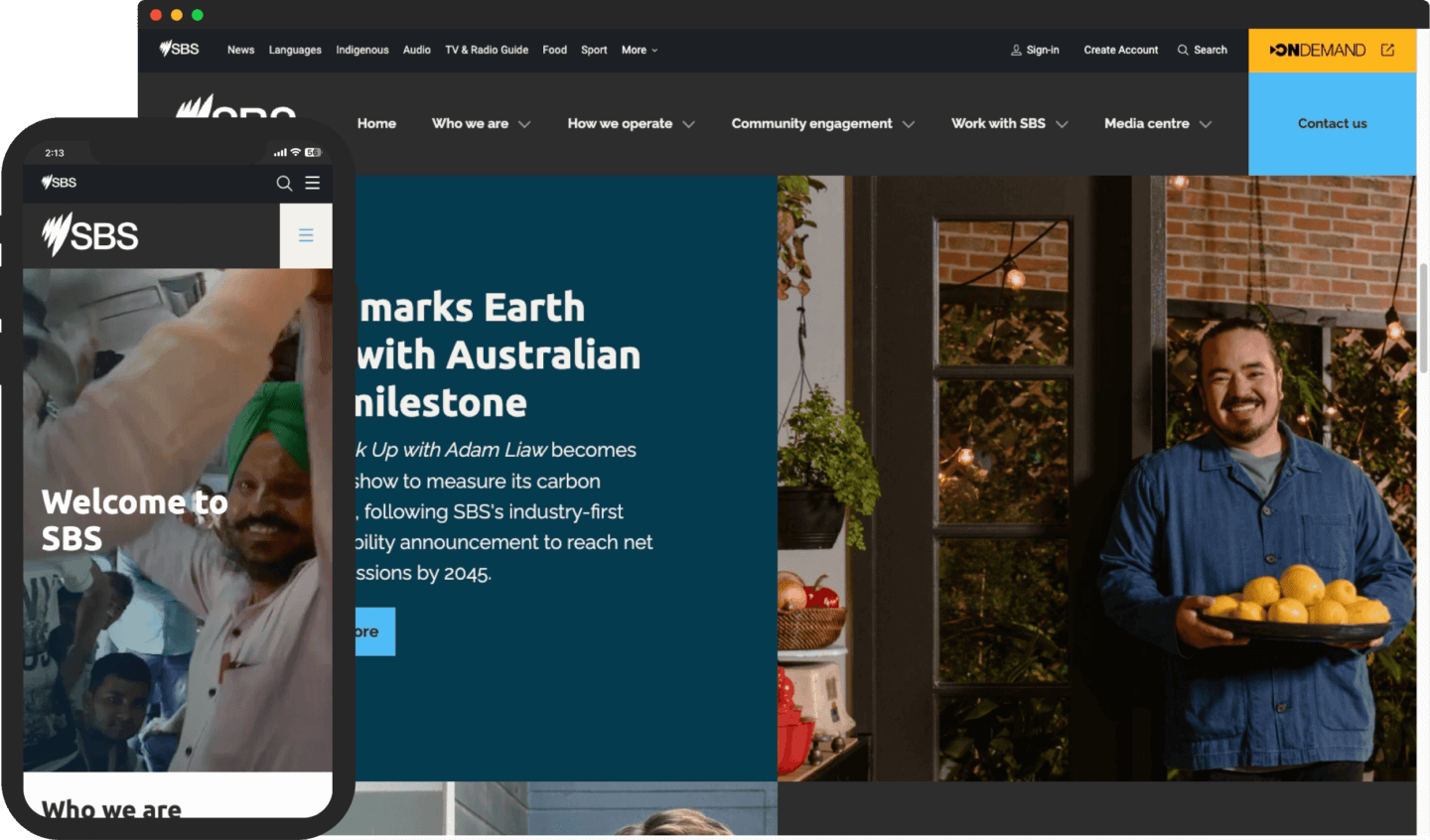

Read how The Code Company built three new WordPress websites and migrated data from legacy Drupal builds.
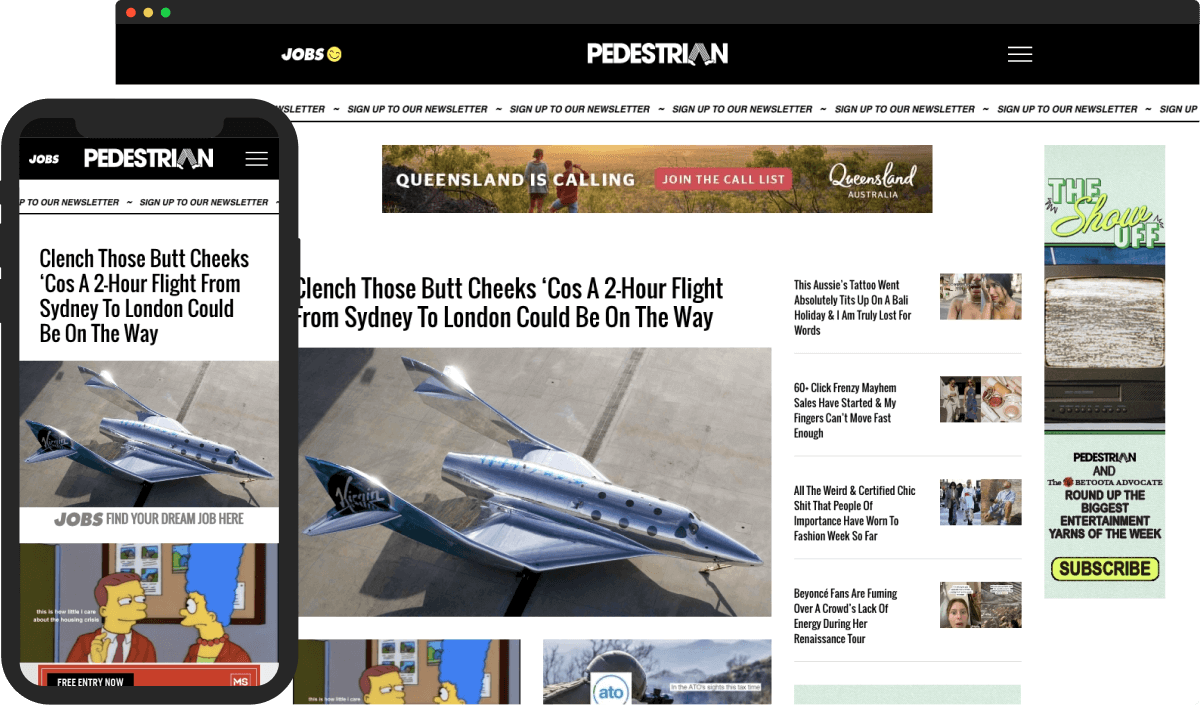

With mobile facing 100% growth year-over-year, Pedestrian needed a publishing platform that was built for the future. The website had to be mobile-first, responsive and able to scale.
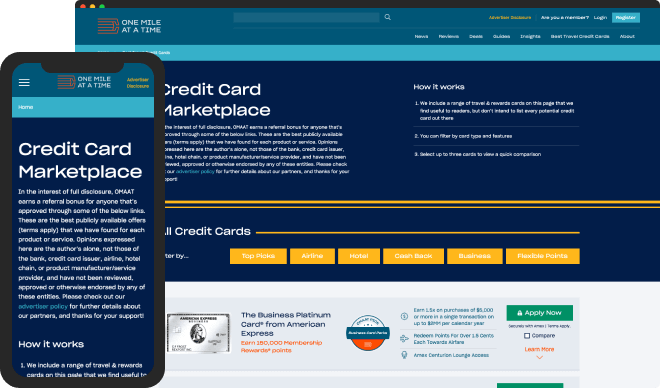

Discover how The Code Company helped One Mile at a Time (OMAAT) grow their affiliate marketing program through advanced WordPress solutions.
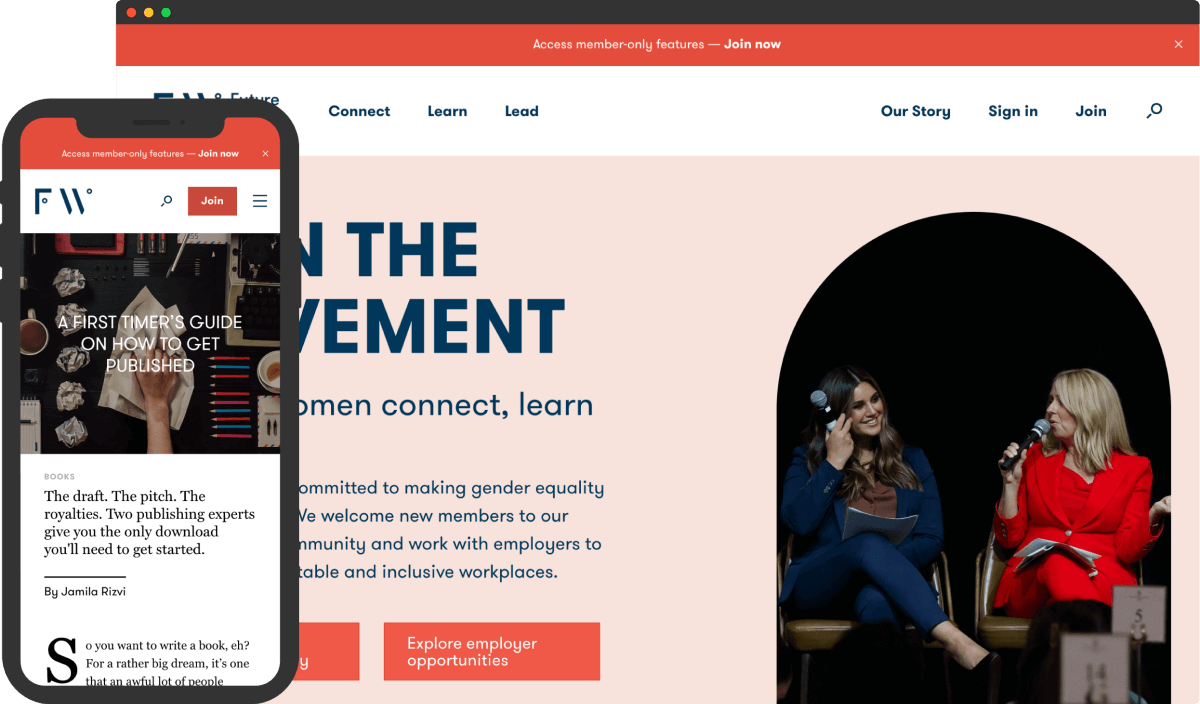

When technical issues began to hinder business growth, the team at Future Women asked The Code Company to build them a modern, low-code membership solution.
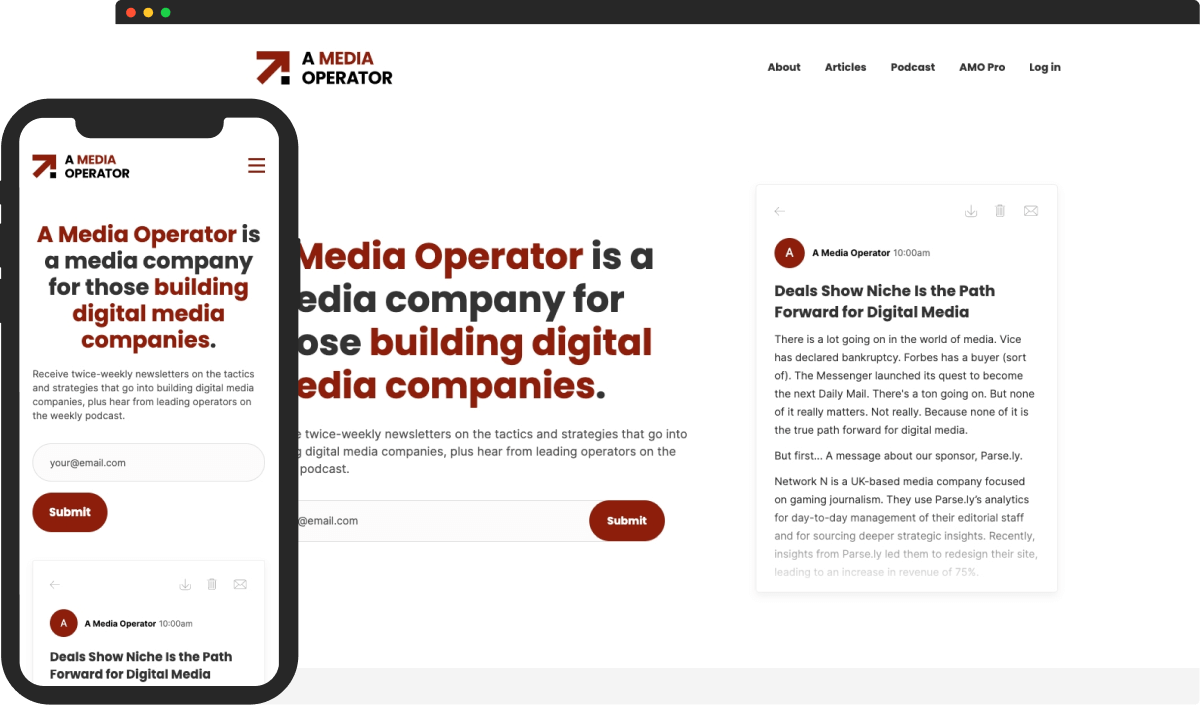

Outgrown Substack? Learn how “A Media Operator,” migrated to WordPress to build newsletter subscriptions and gain greater editorial and revenue control.
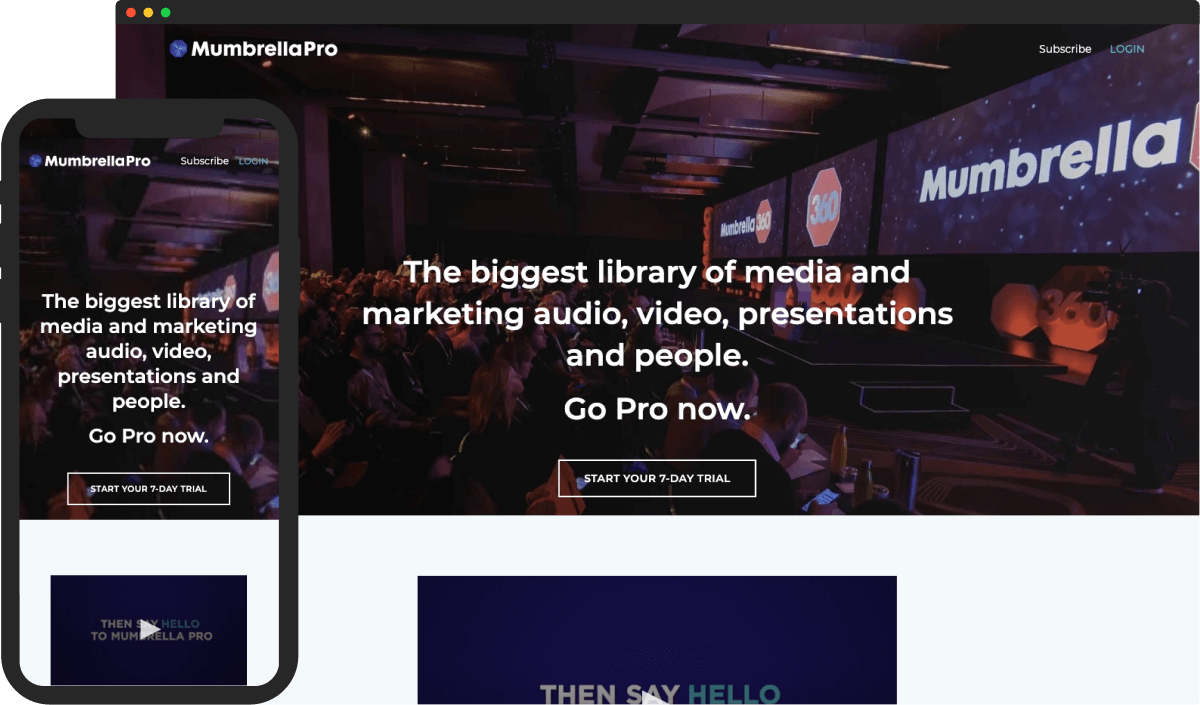

When Mumbrella wanted to maximise the revenue from industry events, we developed a custom membership website in WordPress.


Trusted science news outlet, ScienceAlert, was built on a custom Joomla CMS that was starting to hinder the growth of the company. The team turned to The Code Company for a migration to WordPress that led to a 140% increase in traffic and ad revenue.
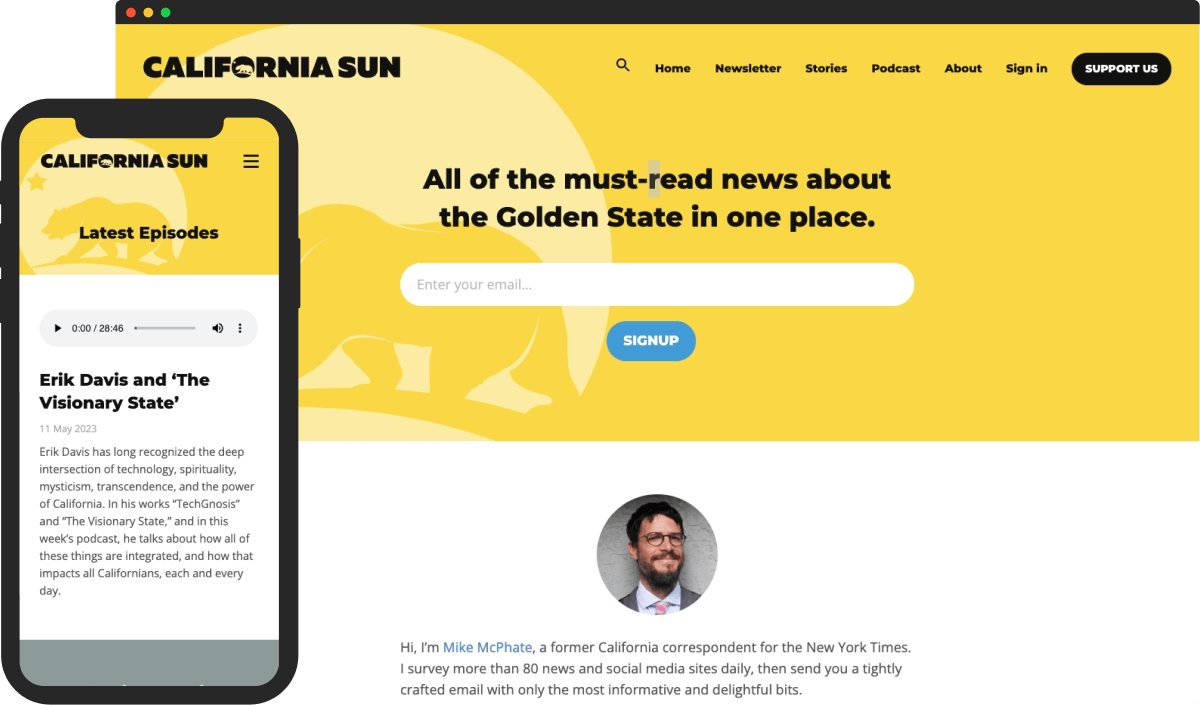

Frustrated with account and revenue limitations, The California Sun streamlined their subscription business by migrating to WordPress and Memberful.
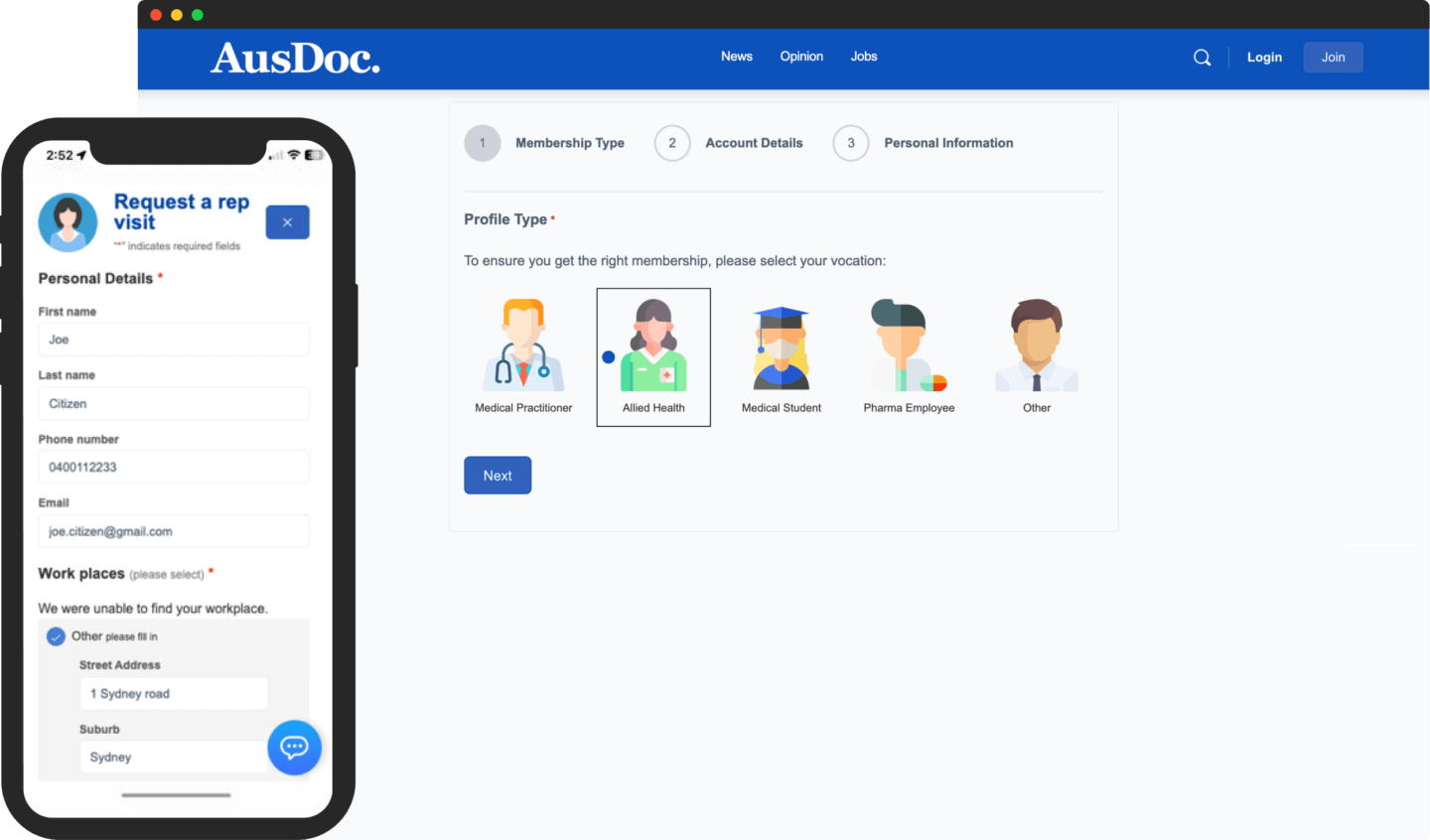

The Code Company transformed the AusDoc website into an advanced multichannel community using WordPress and BuddyBoss


How we brought Wondermind’s editorial vision to life with a customised digital publishing stack that’s built for engagement.


As part of their major rebrand, eBay Advertising asked us to build a unified global website with the power to deliver personalised, location-based content.
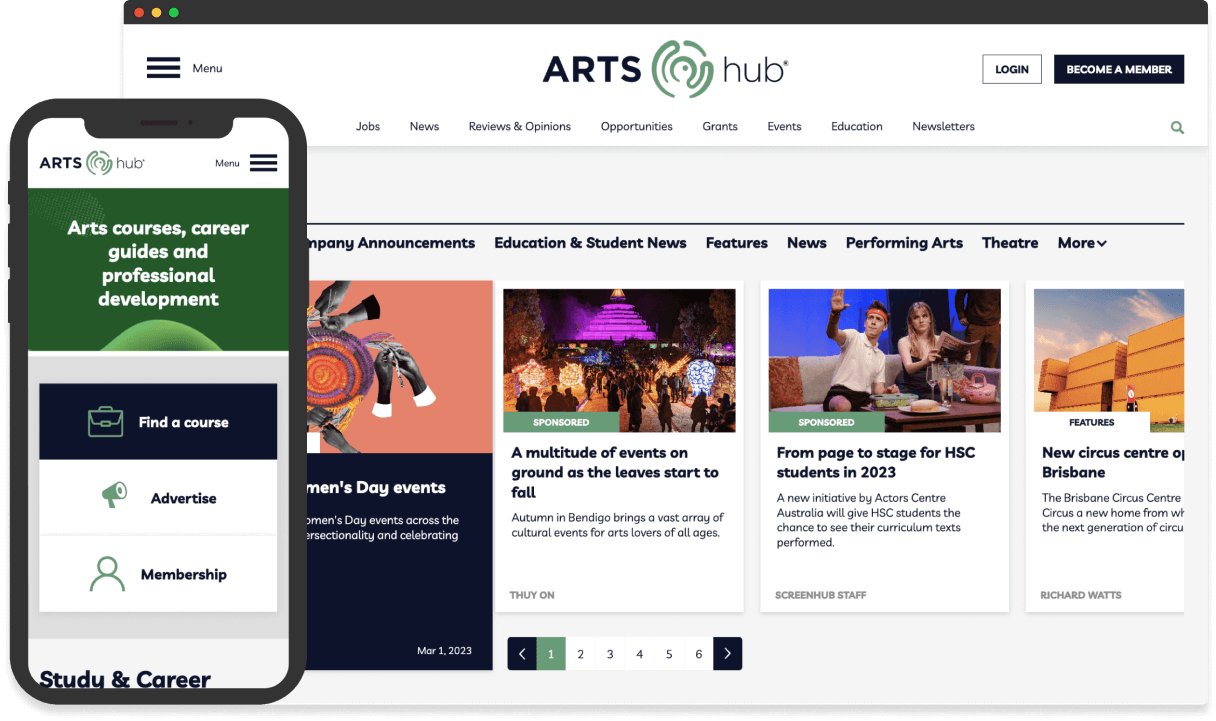

An advanced WordPress migration from a complex and outdated CMS helped Australian publisher ArtsHub modernise their digital publishing infrastructure.
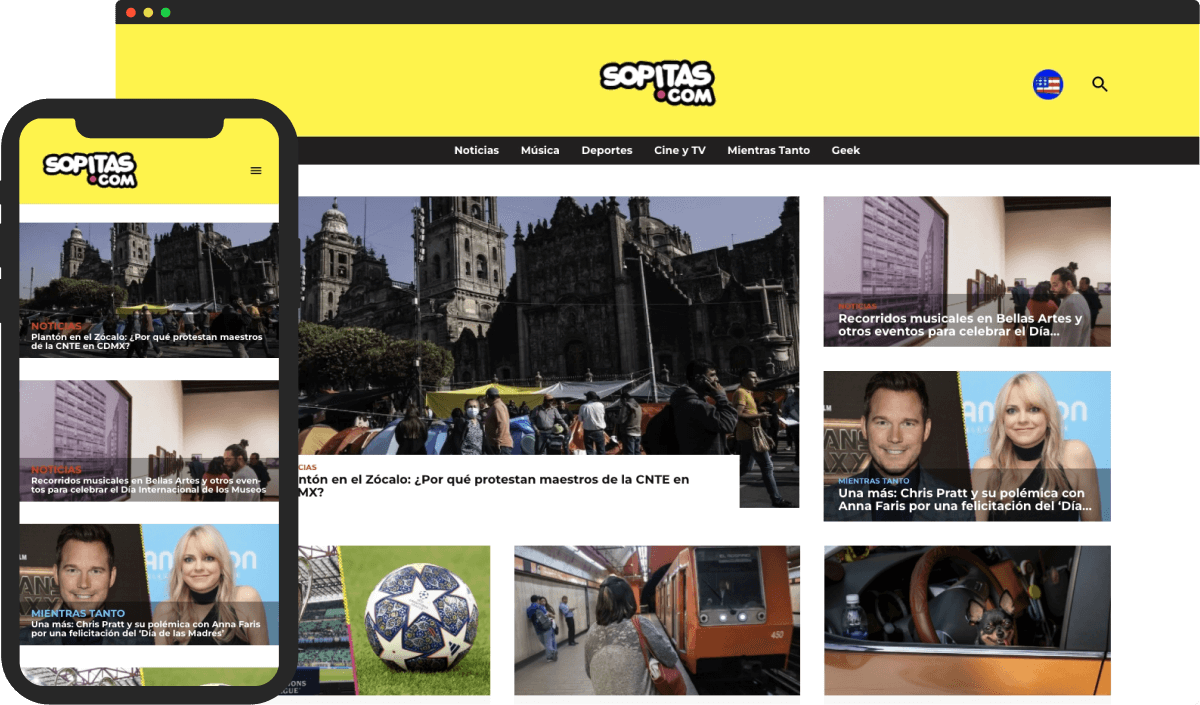

How Sopitas.com eliminated performance issues with a technically-optimised WordPress infrastructure that’s built for speed.


Discover how a new enterprise WordPress website and custom newsletter creation tool increased site performance 200%.
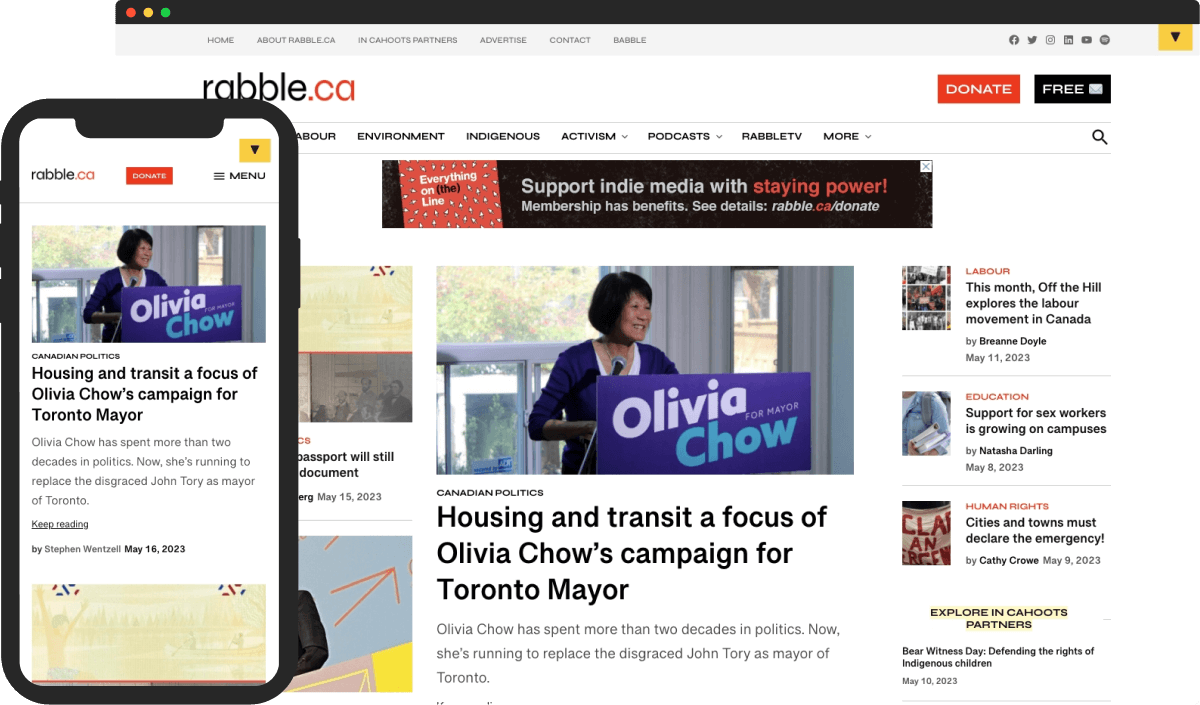

Hobbled by tech debt and expensive maintenance costs, rabble.ca partnered with The Code Company to build a new digital publishing CMS using the Newspack WordPress plugin.
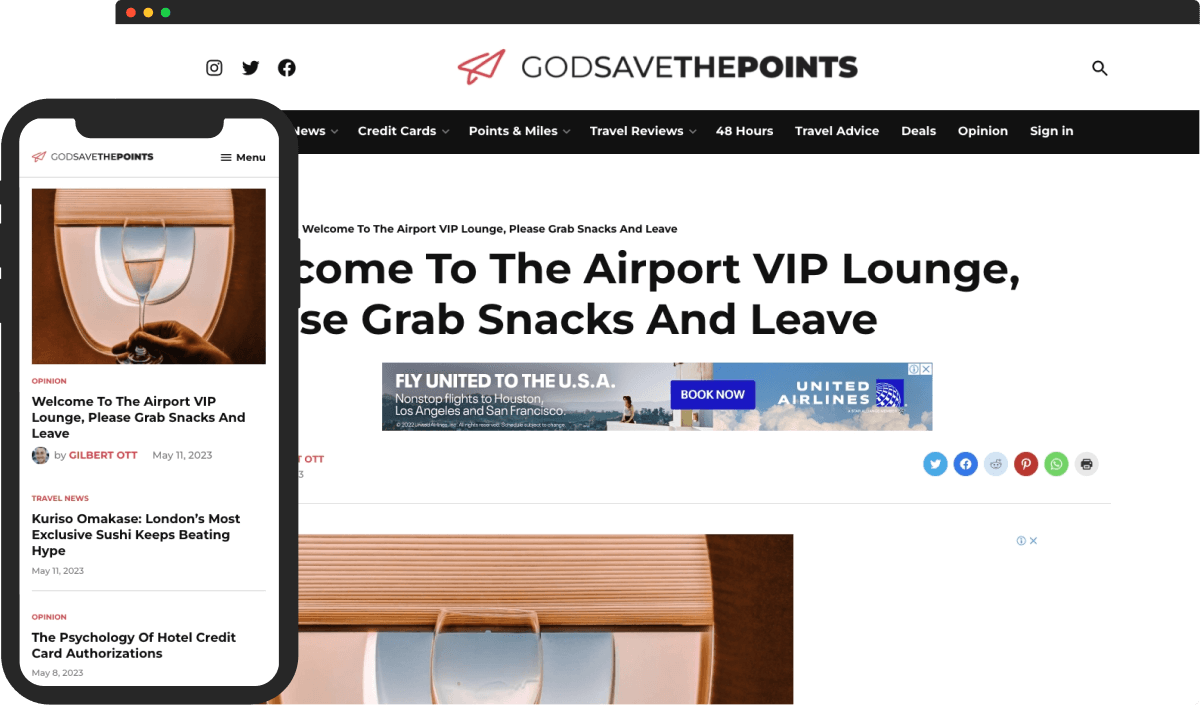

With audiences grounded and sector ad spend in freefall, God Save The Points was in uncharted territory. To increase resilience, it needed to diversify revenue and find new ways to leverage their loyal and engaged following.
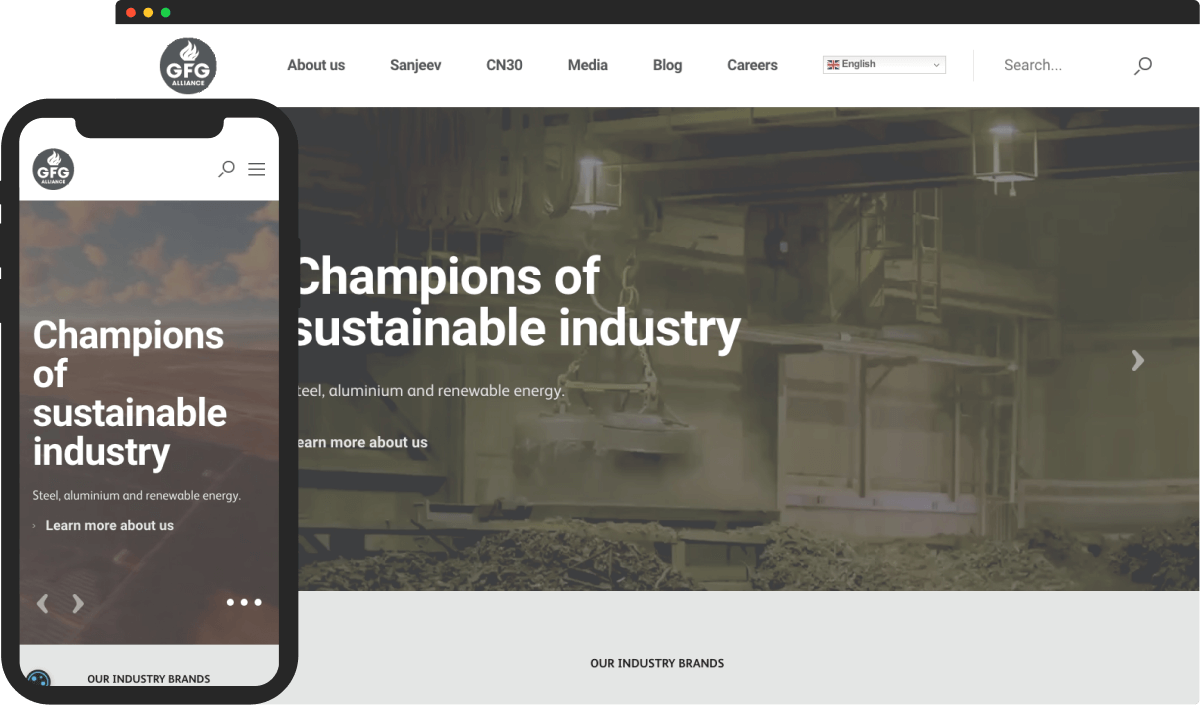

GFG Alliance transformed their digital presence with a website that drives brand engagement and social interaction.
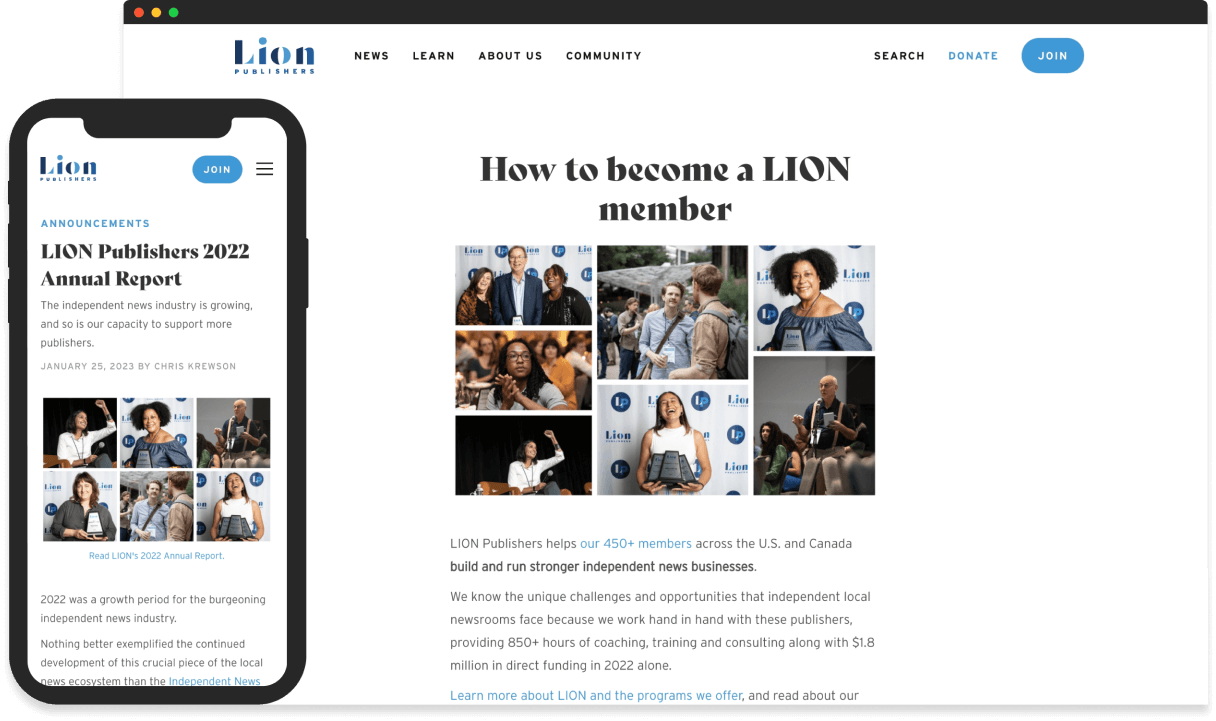

A new membership website helped Canada’s leading independent news association drive subscriptions and improve content accessibility.
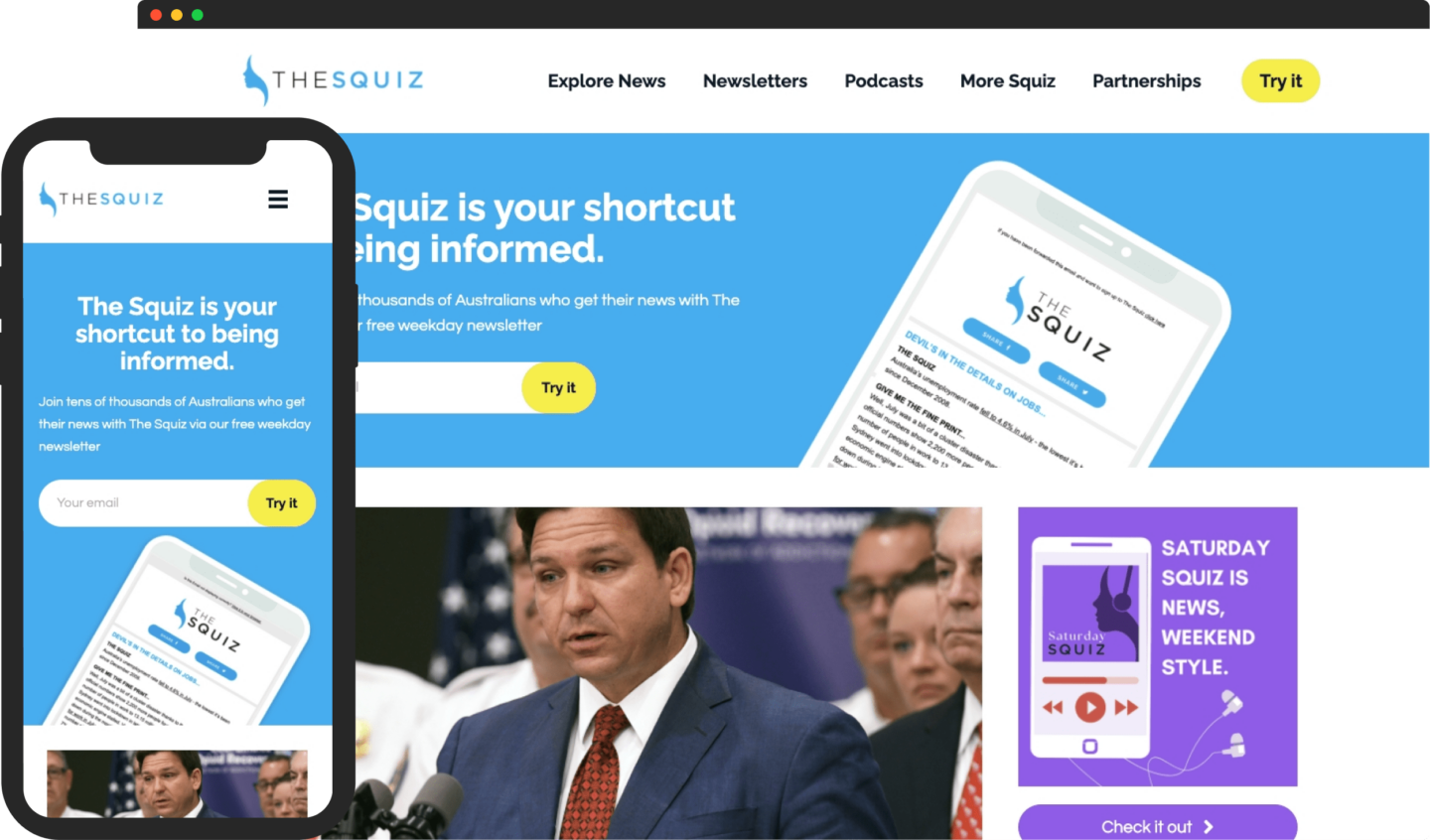

The Code Company led a complete digital transformation project, overhauling The Squiz’s site design, editorial workflow and the development of new intelligent information architecture.
Let’s talk
how can we help?
Send us a brief message and we’ll be in touch to arrange a free discovery consultation.